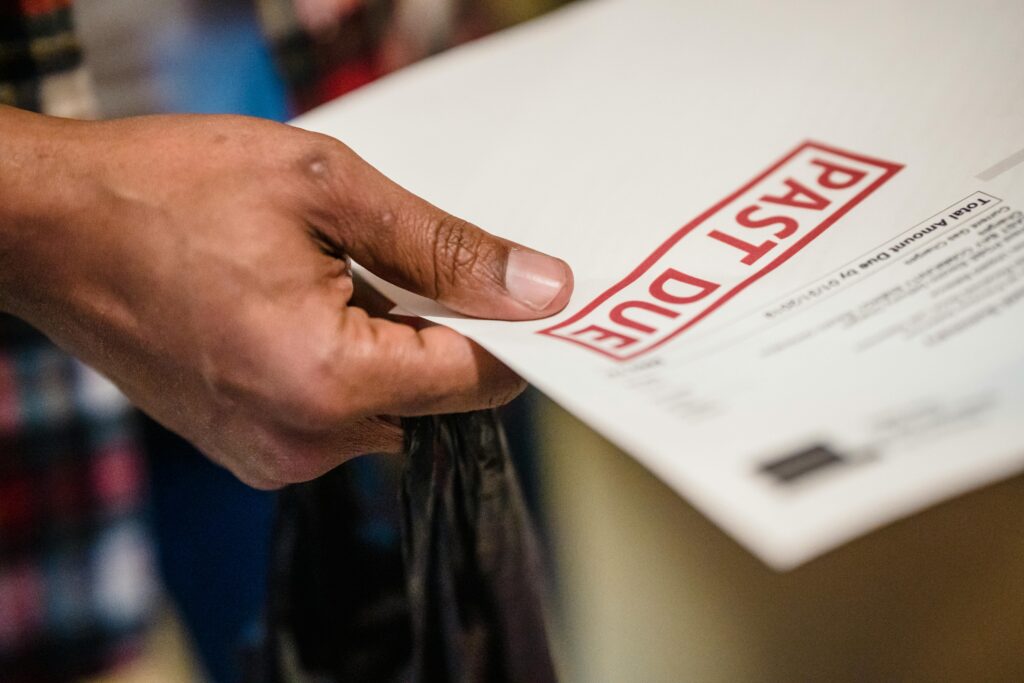
Inheritance tax is not just a “rich people” issue anymore. If you own a home and you have savings or investments, your estate can grow into inheritance tax territory without you realising it. Then someone dies, your family faces a big bill, and the worst part is often this, they need cash before they can properly access the estate.
Life insurance can help, but only if you set it up the right way. This guide explains how inheritance tax works in the UK, how life insurance fits in, and what you should do if your goal is to protect your family from a forced sale or a scramble for funds.
How inheritance tax works in the UK
Inheritance Tax, often called IHT, applies to the part of your estate above the tax free threshold. The standard IHT rate is 40 percent. Your estate usually includes your home, savings, investments, personal belongings, and any other assets you own when you die.
The key thresholds you need to know
Most people start with two main thresholds.
The nil rate band is £325,000. The residence nil rate band can add up to £175,000 when you leave your home to direct descendants, like your children or grandchildren. These rules have extra detail and edge cases, but those figures are the starting point for most families.
When the tax is due
Inheritance tax in the UK is normally due by the end of the sixth month after the death. If the person dies in January, the tax is due by 31 July.
This creates a real world problem. The estate can be tied up in property and probate, but HMRC still expects payment on time.
The real issue most families face
It is not always the size of the inheritance tax bill. It is how fast your family needs to find the money.
If most of your wealth sits in your home, your family can feel pushed into selling quickly. That is stressful, and it often leads to poor decisions.
This is where life insurance earns its place in inheritance tax planning.
What life insurance does, and what it does not do
Life insurance does not reduce inheritance tax by itself.
Life insurance in the UK gives your family cash at the point they need it. They can use that money to pay the inheritance tax bill and keep the rest of the estate intact while they deal with probate.
So the job of life insurance in this context is simple, it helps your family pay the tax without panic.
Does a life insurance payout count as part of your estate?
It depends on how you set the policy up.
If you do nothing special, the payout often falls into your estate. That can increase the value of your estate and can increase the inheritance tax due. It can also slow things down because probate can get involved.
If you put the policy in trust, the payout usually sits outside your estate. That means the money goes straight to your chosen beneficiaries through the trustees, and it can arrive faster.
If you remember one thing from this page, remember this, the structure matters as much as the cover amount.
Writing life insurance in trust, in plain English
When you write a policy in trust, you name trustees and you name who you want to benefit. When you die, the insurer pays the trust, not your estate.
People use trusts for two practical reasons. Your beneficiaries can get the money faster. The payout usually does not increase the value of your estate for inheritance tax purposes.
Trusts come in different forms, including discretionary and bare trusts. The right type depends on your situation. You should line it up with your will so everything points in the same direction.
If your family situation is complicated, blended families, dependants, or large assets, speak to a regulated adviser or solicitor before you sign anything.
What type of life insurance people use for inheritance tax planning
Many people use whole of life insurance for inheritance tax planning in the UK because it is designed to pay out whenever you die, as long as you keep paying premiums.
This suits inheritance planning because inheritance tax is a long term issue, not a short term one.
Term insurance can still help in specific cases, especially when the risk is temporary.
Gifts, the seven year rule, and term cover
If you give assets away and you live for long enough, those gifts can fall outside your estate for inheritance tax. If you die within seven years, inheritance tax can apply.
That creates a clear risk window. Some people take term life insurance in the UK to cover that window, so their family has funds available if inheritance tax becomes due because the gift did not “age out”.
How much cover you should consider
Start with the number you are trying to protect.
Estimate your estate value. Subtract debts. Check which inheritance tax thresholds apply to you. Work out the likely tax bill on the amount above the thresholds. Then choose whether you want life insurance to cover all of that bill or only part of it.
Be honest about affordability. A policy only helps if you keep it in place. Also review it. House prices change, savings grow, your family situation evolves. What was enough five years ago can look small today.
Common mistakes that cause problems later
People run into trouble when they buy cover but do not put it in trust.
- They forget to review the policy as assets grow.
- They name beneficiaries on the policy that do not match the will.
- They assume the payout will arrive quickly without checking how the policy is set up.
- They cancel the policy because the premiums become uncomfortable.
If you avoid those mistakes, you remove most of the nasty surprises.
Experience and expertise at UK Life Insurance
At UK Life Insurance, we focus on how policies work in real situations, not just on paper. We compare life insurance options across the UK market and explain the differences clearly, so you can make decisions you understand, not decisions you hope are right.
We also flag the details people often miss, like how trusts work and how beneficiary choices affect payouts. These details decide whether life insurance and inheritance tax planning runs smoothly or becomes a problem later.
When you should get professional advice
Get regulated advice or legal support if your:
- estate clearly sits above inheritance tax thresholds in the UK.
- You own more than one property.
- You have business assets.
- You plan to make large gifts.
- Your family setup is complex.
- This is not about making things complicated. It is about getting them right.